Access & Belonging
Whose survival matters? The project asks students to examine injustice and make room for people whose stories are overlooked.
Case study / P134
A character artifact from a story world. A reason to care about what happens next.
Play the exhibition game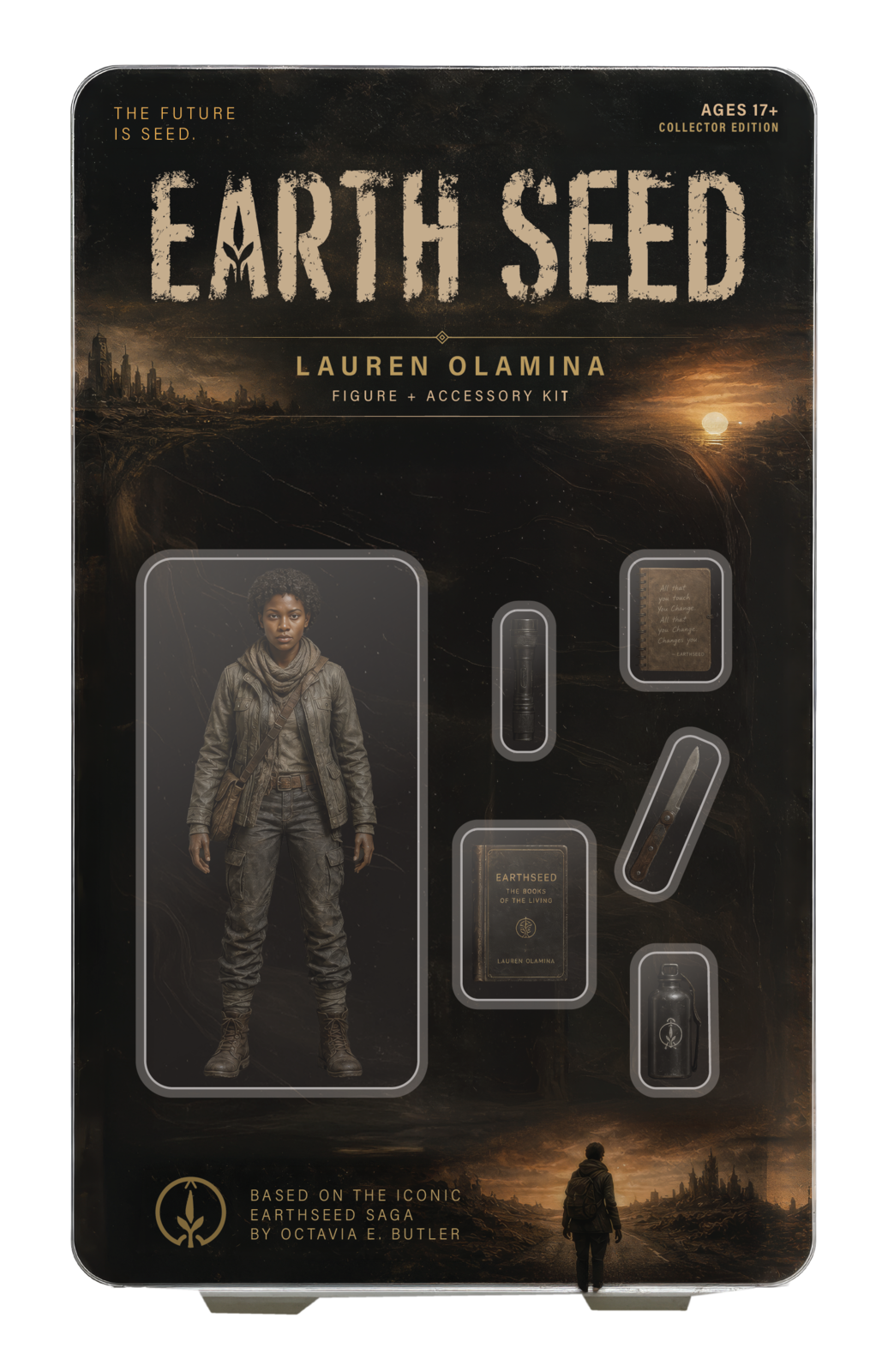
The project
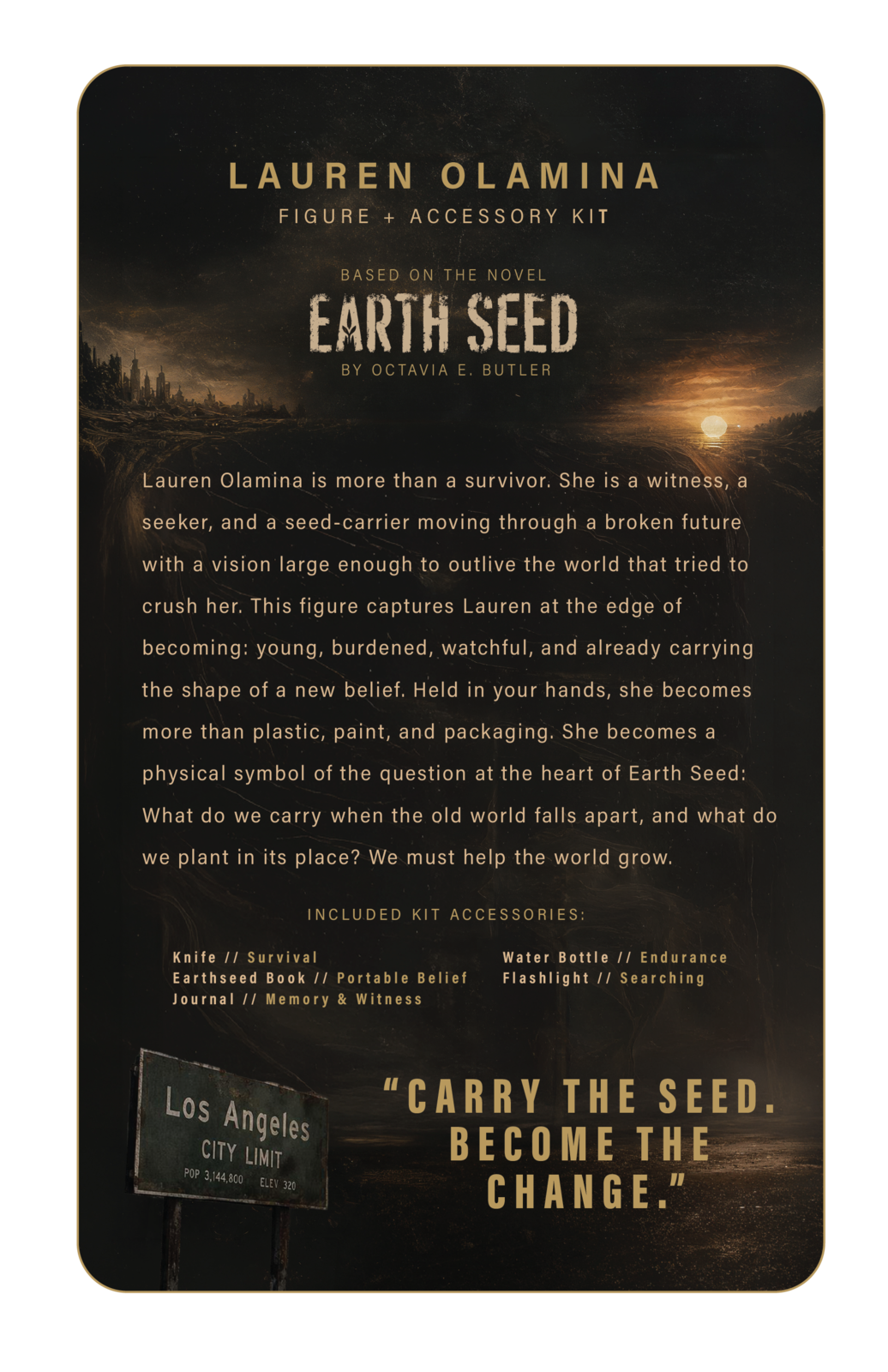
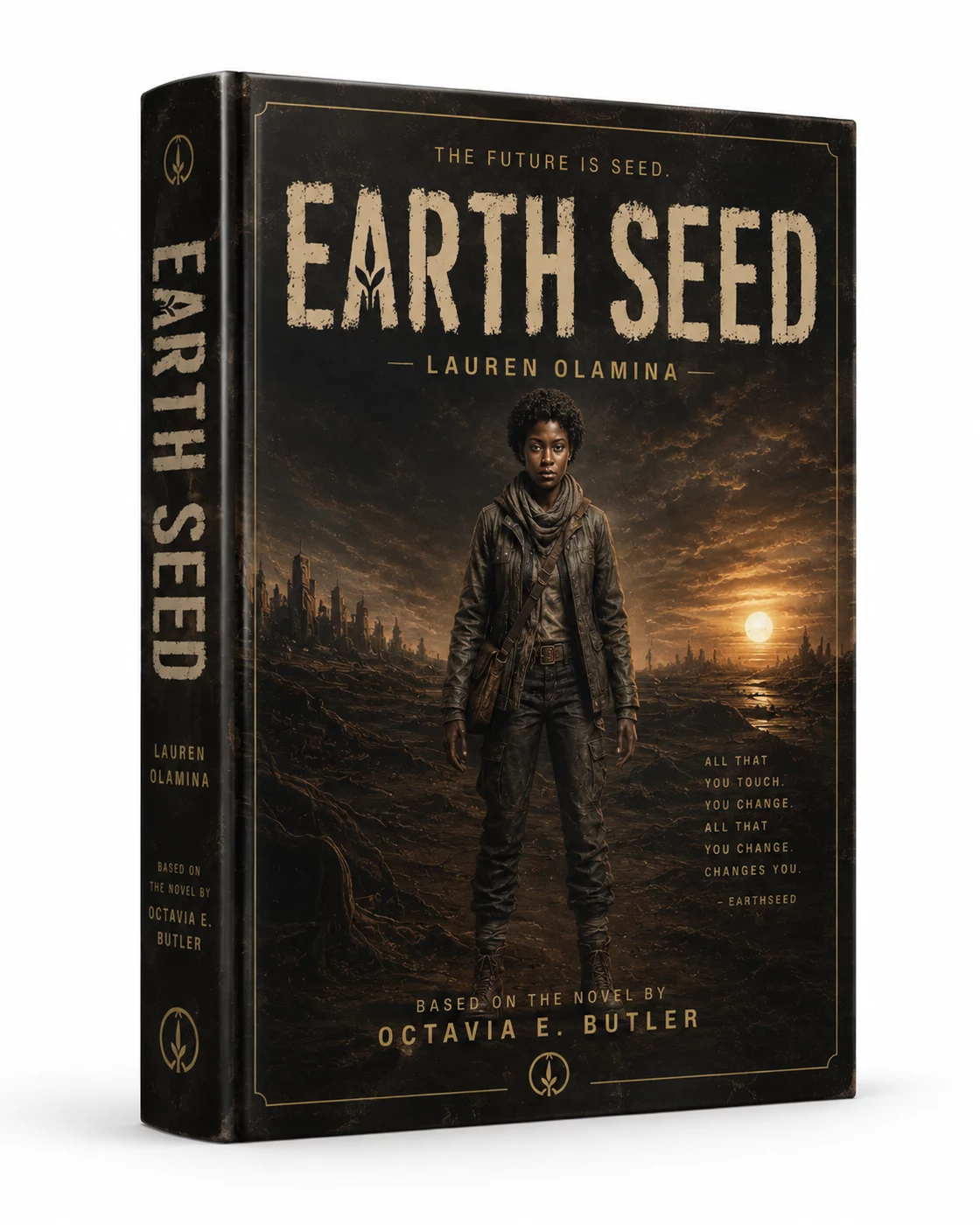
Characters of Consequence connects post-apocalyptic literature to the worlds we build and the people who inhabit them. Students examine Parable of the Sower alongside questions of injustice, corruption, alternative history, survival, and community. They develop an original character whose personal struggle becomes a short story, a visual, a 3D model, a painted figure, a branded blister package, and a book, with a short film as the next step. Each artifact carries evidence of that world. Together, they ask how storytelling and design can bring empathy to commercial media and reveal the strength people find in themselves and one another.
Step into the story
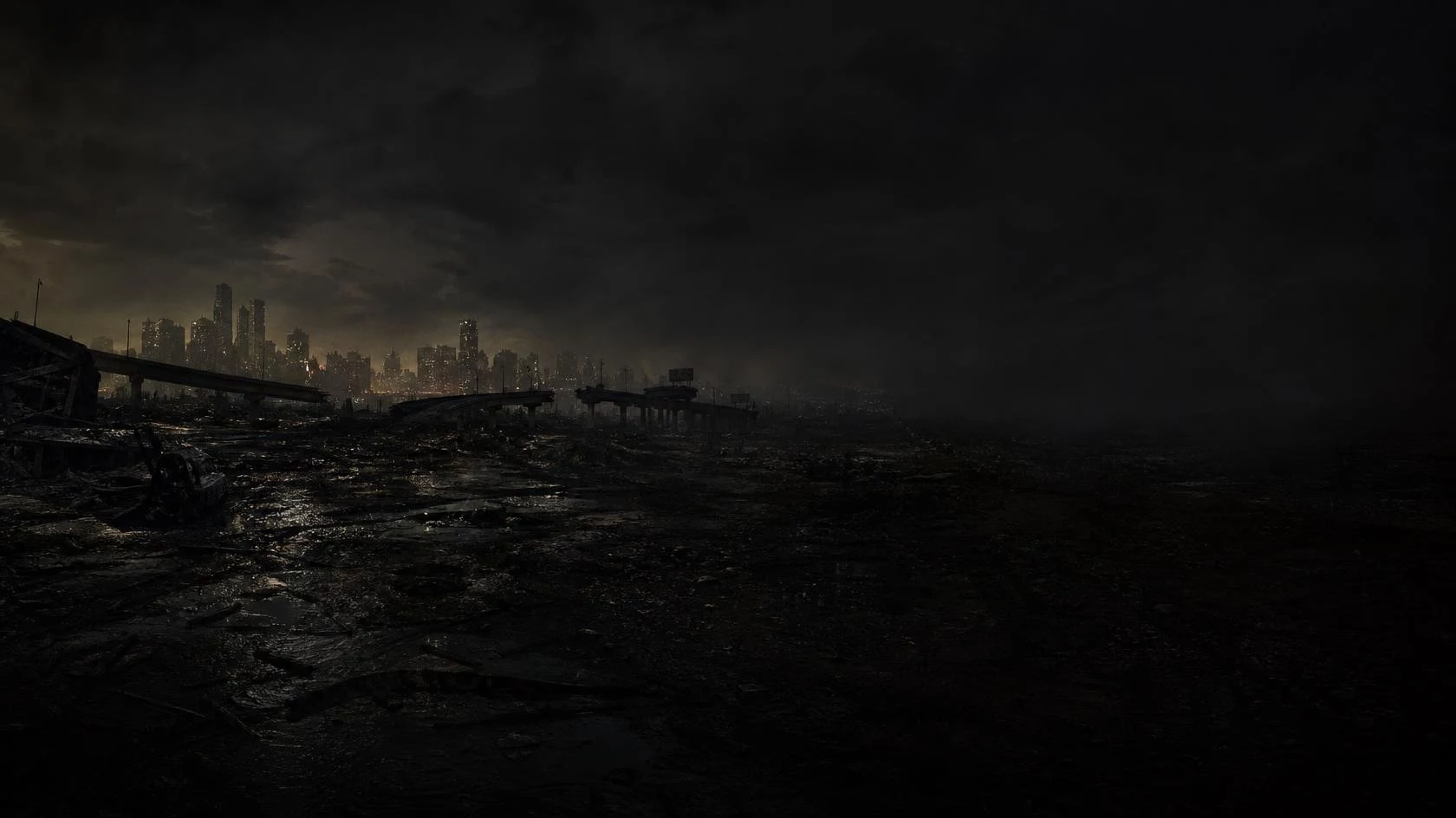
Play the teacher’s prototype: a three-minute nighttime journey with Lauren Olamina. Gather a community, tend the roadside, and reach the first light together.
Begin the walk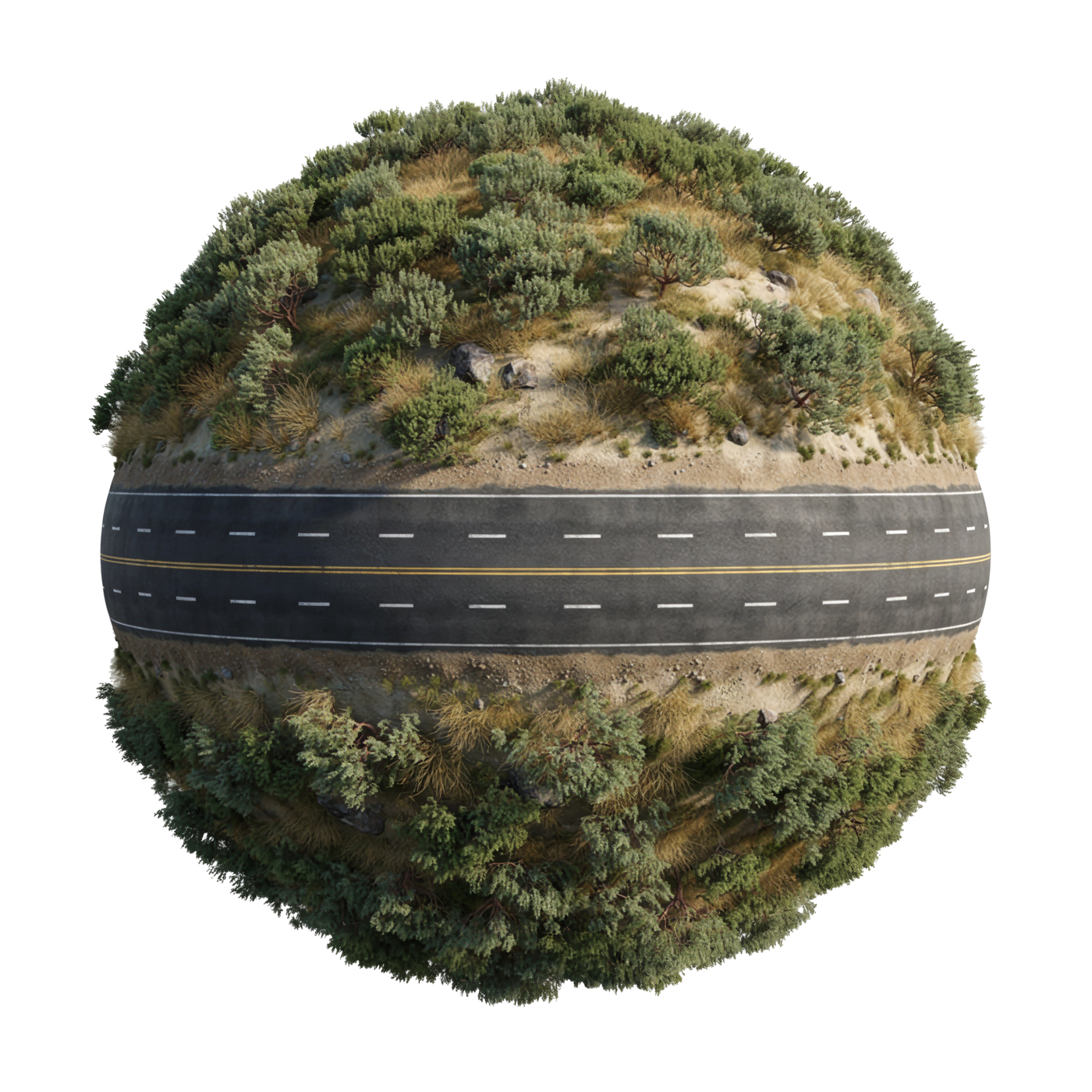
Essential question
“How can a character’s struggle—and the things they carry—help us imagine a more caring world?”
Project architecture
Learning made visible
Whose survival matters? The project asks students to examine injustice and make room for people whose stories are overlooked.
Each student develops an original character, conflict, visual language, and play mechanic connected to the story they want to tell.
A connected collection of writing, design, fabrication, packaging, and interactive media invites a real audience to care about a character.
Critique, shared production tools, and exhibition playtesting help individual worlds grow through the community around them.
Exhibition
The exhibition pairs painted, packaged character figures with their stories and short playable experiences. Visitors can hold the physical artifact, read the world around it, and then make choices alongside its character. The Earthseed game and images shown here are Dane Wirtzfeld’s teaching prototype inspired by Octavia E. Butler’s Parable of the Sower; student-created characters will follow as the project develops.