Access & Belonging
Clear rules, tactile interaction, and varied roles made the puzzle approachable to more people.
Case study / P101
An ancient puzzle rebuilt as a human-centered product experience.
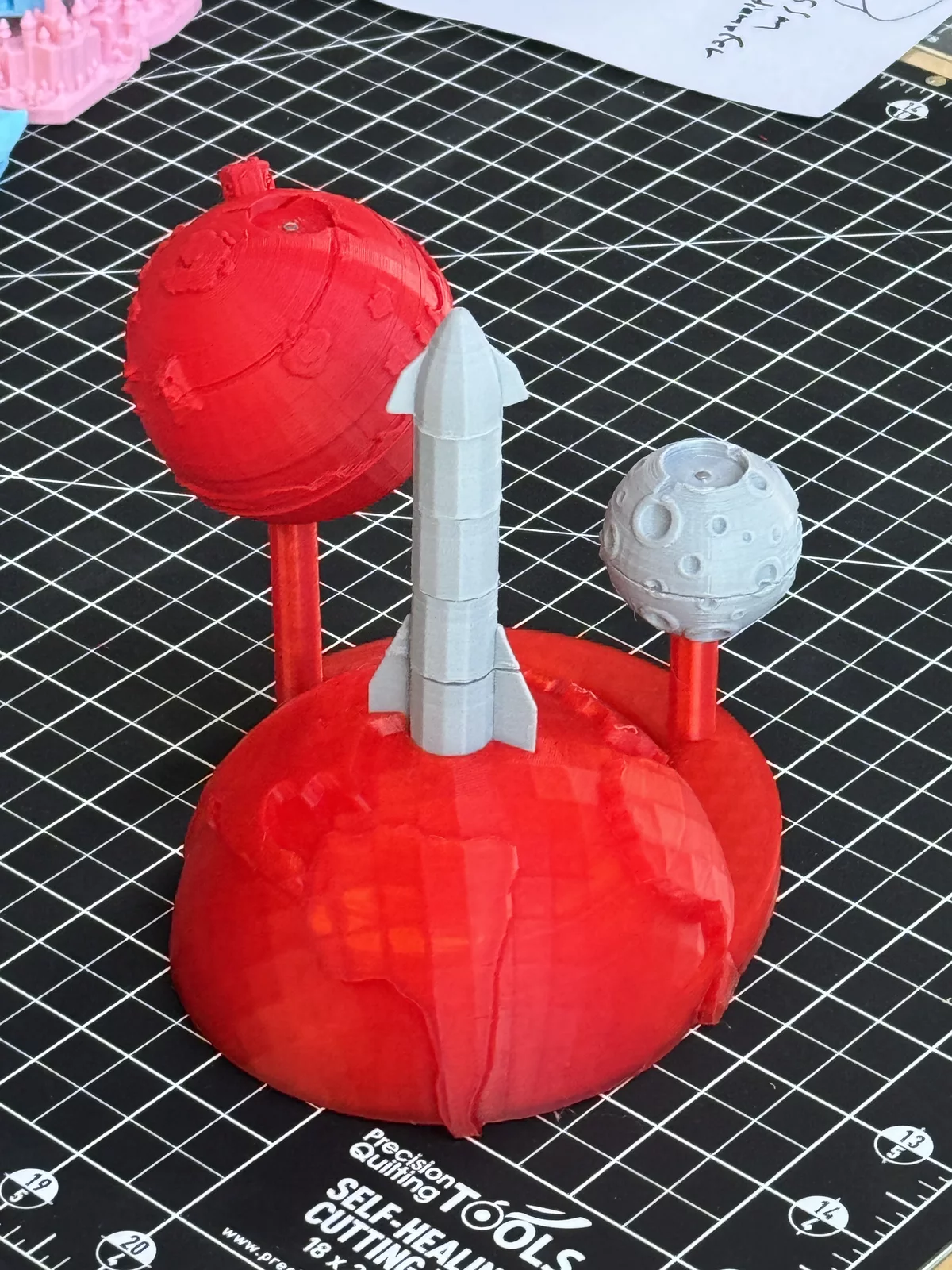
The project
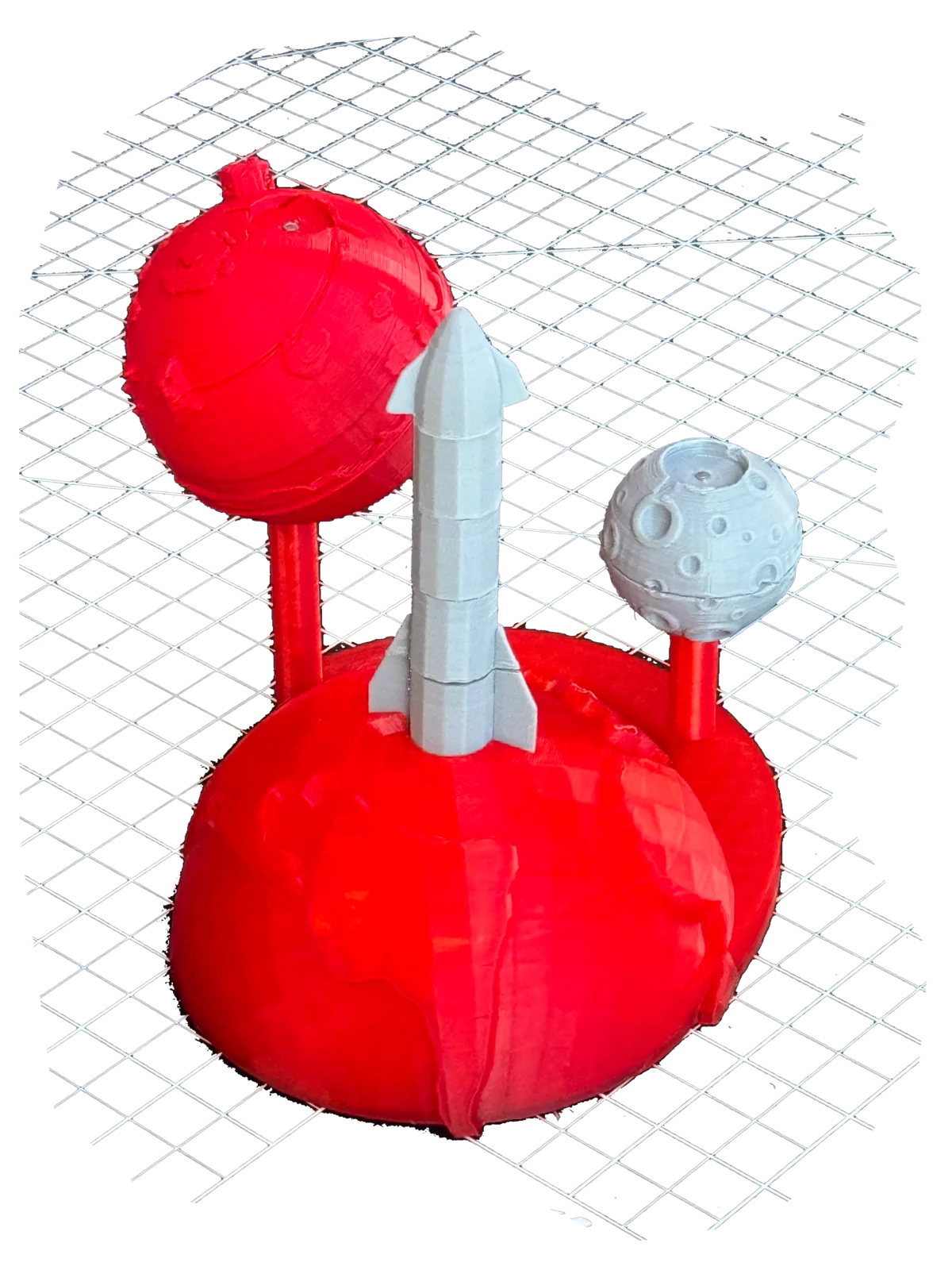
Teams reinterpreted the Towers of Hanoi puzzle through research, concept development, prototyping, fabrication, graphics, packaging, and play. The finished objects were tested in public rather than ending as isolated class exercises.
Essential question
“How might a familiar puzzle become an inviting, meaningful experience for a new audience?”
Project architecture
Learning made visible
Clear rules, tactile interaction, and varied roles made the puzzle approachable to more people.
Each team gave one common system a distinct audience, form, and visual voice.
Visitors played the products, making usability and finish visible—not hypothetical.
Research, fabrication, graphics, and testing depended on coordinated team decisions.
Exhibition
Visitors became playtesters, turning a display of finished products into an active feedback loop.